
When I first started in the wine world, I had no idea what vintage meant. Honestly, I had never even heard of the term before. I quickly learned this is a very important term to understand as you embark on your wine journey.
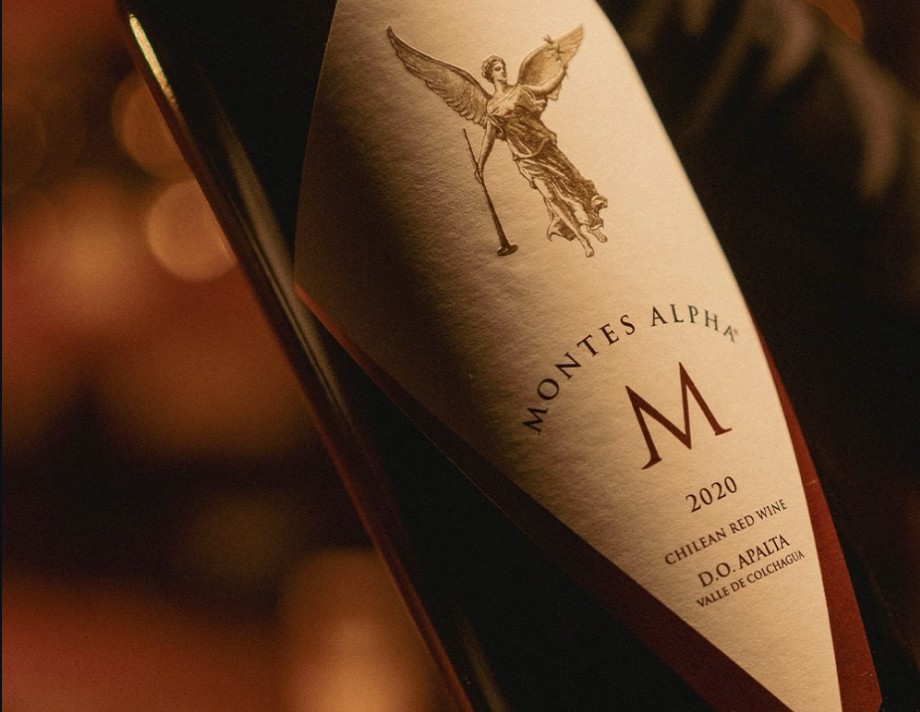
The vintage is the year on the wine label. It is most often on the main label of the wine on the front; however, this is not always the case. It can sometimes be located on the back of the label or anywhere on the bottle.

This Craggy Range Aroha red wine has a 2023 vintage.
So, what does the year actually mean?
The wine vintage (aka the year on the bottle) refers to the year in which the grapes used to make the wine were harvested. Every year varies significantly when it comes to weather and growing conditions for grapes. These conditions affect how the grapes grow and therefore how they taste. It affects the wine’s quality, flavor, and aging potential. This is why the year is so important to know when picking out your wine.

The Cakebread Sauvignon Blanc has a 2024 vintage, and the Cakebread Cabernet Franc has a 2022 vintage.
What vintage/year should you look for?
This completely depends on the type of wine. Cheaper wines should be drunk quickly and not be aged. This means that the vintage should be of the most recent years. Since it takes the year for the grapes to grow again, the most recent vintage is 2025.
Most whites you are going to want the most recent vintage as well (2025). A 2024 white wine will still be great as well. However, if you pick a white with aging potential such as certain Chardonnay’s, then this does not apply.

Notice here that the Louis Jadot Macon-Villages has the vintage located on the top label. It is a 2023 vintage.
When choosing a red, it gets a bit trickier. Cheaper reds should still be drunk more quickly and have a more recent vintage. A nicer red can be aged, so some of the older vintages will be optimal. If you buy a nice red in the most recent vintage, it is generally recommended to store and age for some years for it to be at its optimal quality.

The Craggy Range Pinot Noir has a 2024 vintage.
What if it doesn’t have a year on it or says non-vintage?
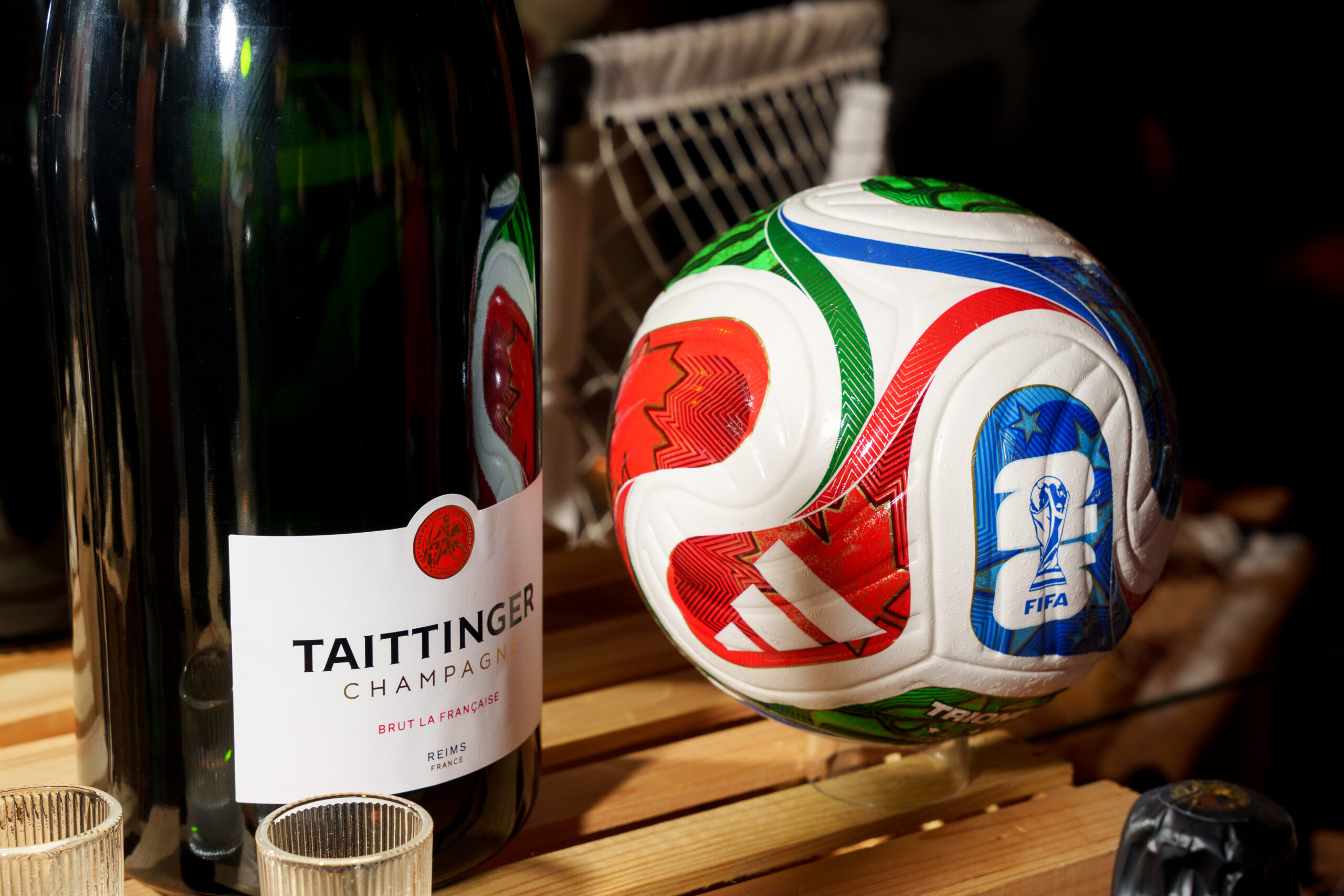
There are some wines that do not have a year on it. This means it is called non-vintage sometimes abbreviated as NV. A lot of sparkling wines will not have a vintage. This means that grapes are blended from multiple different years.

The Caposaldo Prosecco is non-vintage. This is why there is no year on the front or back label.