

With shows like Love Story spotlighting JFK Jr. and Carolyn Bessette surging in popularity, alongside the return of baggy jeans and butterfly clips, the 90s are officially back. We’re fully embracing the nostalgia. As trends prove time and again, what goes around comes back around and the 90s are making a strong case in 2026. Carolyn Bessette’s effortlessly chic, minimalist style has inspired a new wave of fashion, but it also got us thinking about wine. What defined wine culture in the 90s?
As a Gen Z, I didn’t experience the decade firsthand, but I’ve been living it through shows, movies, and social media. That curiosity led me to take a deeper look at the era’s biggest wine trends. From the rise of New World wines to Champagne celebration culture and the “anything but Chardonnay” movement, the 90s were full of defining moments that continue to shape how we drink today.
The Rise of New World Wines
Before the 90’s most wines that people were drinking came from Europe, which is classified as Old World. Old World wines are generally from Europe and other places that have a deep history of winemaking that comes from 1,000’s of years of drinking and producing wine.
In the 90’s, a ton of new regions rose to popularity for winemaking. There was a major boom of production in regions such as Napa Valley, Sonoma County, Barossa Valley, and Marlborough. During this time these wines started gaining popularity and became accepted as places that produced quality wine.
This is also when New Zealand Sauvignon Blanc, usually from Marlborough, exploded in popularity. People started resonating with the bold aromatics and high acidity that came from the New Zealand Sauvignon Blanc.
Overall, the 90’s is really when the wine world started opening its doors to places outside the traditional wine regions of the Old World.

Craggy Range Winery in New Zealand
Big, Bold, High-Alcohol Reds
The 90’s was also a time when people started opting for big, bold, high-alcohol red wines. Everyone wanted their glasses filled with powerful, fruit-forward wines.
A lot of this influence stemmed from wine critics. Robert Parker, also known as the Wine Advocate, was and currently still is an important wine critic. His scoring system was ranking and rewarding these rich, concentrated wines starting in the 90’s. Once the Wine Advocate started ranking these big wines highly, it quickly led to people starting to try these powerful wines.
Another reason for this is because these new regions in the New World started gaining popularity. Cabernet Sauvignon is a big, bold red that became extremely popular in the Napa Valley. This grape has become a signature grape of the area, which has led to its popularity rising when the Napa Valley started gaining notoriety. Australian Shiraz also rose to popularity during this time as well as heavily extracted blends from Bordeaux. These wines had high-alcohol, big oak influence, and super ripe fruit notes.
Overall, the 90’s was a revolution in wine with big, bold, high-alcohol red wines becoming hugely popular. Thanks to Robert Parker’s scoring system and the rise of new winemaking regions, it opened the door to new discoveries.

Champagne & Celebration Culture
During the 90’s, especially in the United States, there was strong economic growth. There was a rise in Wall Street culture and a new, booming tech industry. This led to a rise in disposable income, which also led to a growing focus on social status. People began to associate luxury goods, including wine and Champagne, with success and aspiration. Drinking nice bottles was a visible way to signal your success.
Pop culture was also a huge factor that amplified this. Hip-hop and rap played a huge role in showcasing Champagne as a symbol of wealth and celebration. Artists started referencing brands in lyrics and music videos, which turned them into cultural icons. Champagne turned from something reserved for formal occasions to something you popped at clubs, parties, and every kind of celebration. This turned luxury drinking into something that felt aspirational and also very cool.
The media and entertainment industry were also heavily reinforcing this idea. Glossy magazine spreads and the buzzing celebrity culture were also highlighting the nightlife and luxury living.
Champagne and luxury drinking became a huge symbol of success in the 90’s. Today, Champagne has kept that image alive with it being associated with celebrations, parties, and usually luxury.

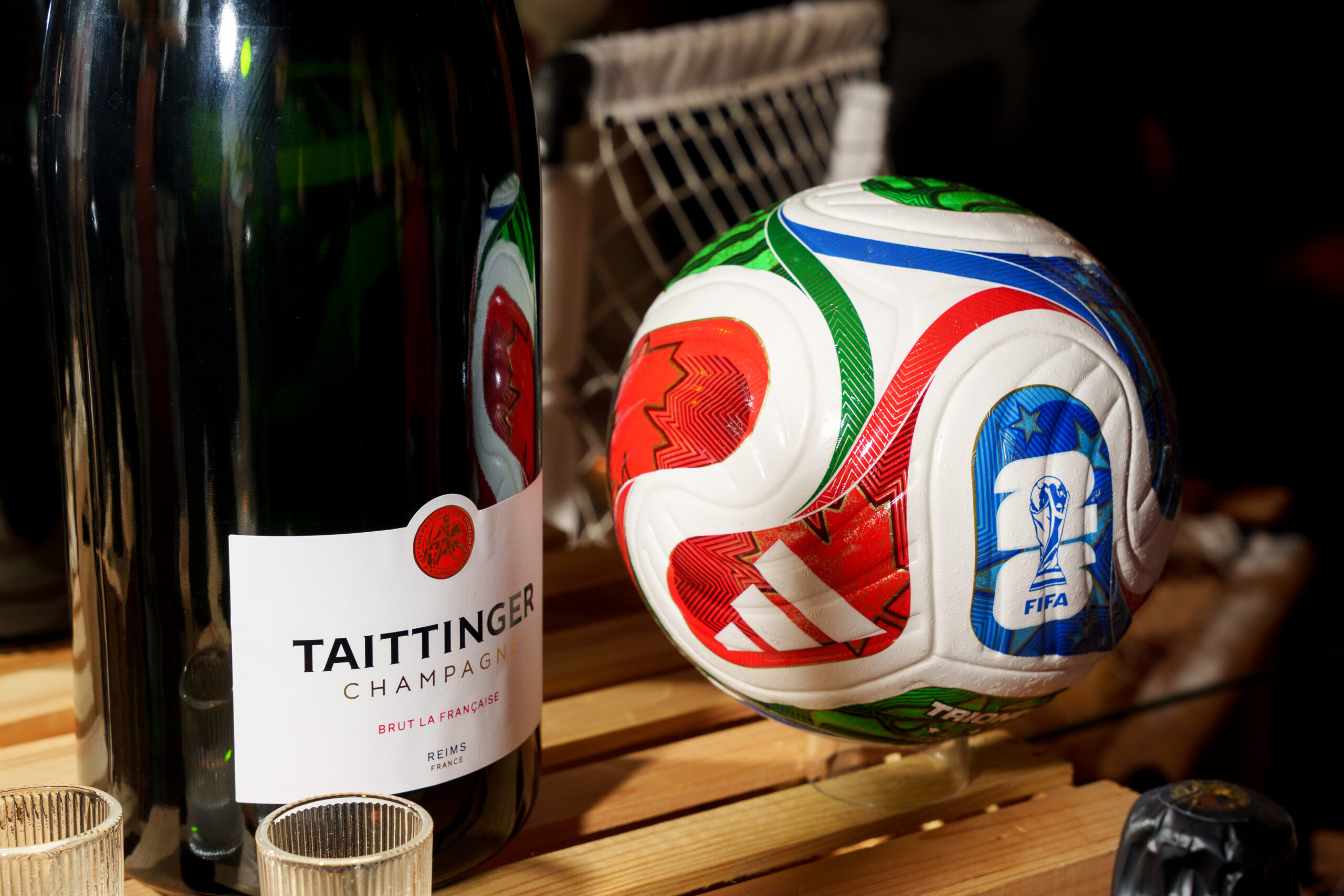
Champagne Taittinger FIFA Party
The Rise of Malbec
Malbec was first introduced to Argentina in the 19th century; however, it was not always a popular grape varietal. In the mid 20th century, any of the popularity it initially had basically disappeared. There was a lot of competition in wine, and other varietals surged in popularity, which left Malbec in the dust.
Thankfully, the Malbec miracle happened in the 1990’s. This miracle led to the resurgence of this beautiful grape. It gained international popularity, which led to production skyrocketing. The two big reasons this happened is because Argentina’s economy started to recover and the grapes adaptability to the Andean terroir led winemakers to recognize its potential.
In the 90’s Argentina launched government stabilization programs that helped reduce inflation and stabilize the economy, which ultimately led to GDP growth. This economic boom was crucial to wineries investing in production and winemaking techniques. This was an essential factor in the resurgence of Malbec.

The other main reason it rose to popularity is because the Malbec grape is very well suited to the climate of Argentina. The winemakers in Argentina recognized the grapes’ ability to reflect the diverse landscapes of Mendoza. Outstanding expressions of Malbec started to appear, and it was also affordable, which led to the rising popularity. This transformation of Malbec not only revitalized Argentina’s wine industry but also opened the doors for foreign investment and tourism. This in turn further enhanced its reputation as a high-quality wine region.
Argentina is now producing 75% of the worlds Malbec, and rightfully so. Recently I went to South America, and I had Malbec in Argentina. It was incredible and so delicious. Malbec is truly such a special wine and deserves all the hype.

Anything But Chardonnay (ABC) Movement
I personally believe that Chardonnay is a misunderstood grape and has so many variations that are delicious. This all stems from the 90’s when there was a lot of backlash against Chardonnay. When people were talking about wine, they started saying “ABC” or “anything but Chardonnay”. No one wanted anything to do with Chardonnay. The issue has not been because of the Chardonnay grape, but rather the style at the time. Most of the wines were heavily oaked, buttery, and very ripe, which was not what people were wanting to drink.
Unfortunately, this trend has carried into the present day to some degree. A lot of people who claim not to like Chardonnay have not tried different versions. The 90’s oaked and buttery style is what a lot of people tend to think of. While there are still beautiful versions of Chardonnay with oak and butter, there is a whole other world of Chardonnay out there too that is vibrant and fresh. Chablis is made from Chardonnay and is a very fresh expression of the grape. People oftentimes love Chablis and don’t even realize that it is Chardonnay.
While the ABC movement was bad PR for the Chardonnay grape, it led to the rise of Sauvignon Blanc and Pinot Grigio. People were resonating with lighter, fresher styles of white wine. The 90’s are truly when these wines started exploding in popularity and opened the door for a new wave of lighter whites.

Varietal Labeling Became Standard
Another big shift during the 90’s is that consumers started buying wine based on the grape variety instead of the region. Since New World regions started booming, places like California and New Zealand didn’t have established regional reputations like Burgundy or Bordeaux. There weren’t known famous regions in these places yet, so they relied on labeling wines by the grape instead. Wine also became more popular during this time, and it was starting to reach a broader audience. New wine drinkers did not know a lot about wine, so labeling the wine by grape made it easier for these new drinkers to understand what they were buying.
In addition, labeling laws and marketing really helped lock this trend in. The Alcohol and Tobacco Tax and Trade Bureau started enforcing regulations that ensured more consistency when labeling wines. Brands also realized that consumers were gravitating towards varietal names like Chardonnay or Cabernet Sauvignon as they were more approachable than regional terms like Chablis.
By the 1990s, wine brands started labeling their bottles by varietal as it had become the simplest, most consumer-friendly way to shop for wine. This quickly became the standard for wine.
See “Syrah” printed directly on the Montes label
Today, modern drinking habits are a culmination of reactions to wine trends from the 90’s. Current day wine drinkers are often gravitating towards lighter alcohol, less oak, fresher styles, and organic wines. While some of the trends today got their start in the 90’s, a lot of the current trends are completely opposite of the big wines of the 90’s. No matter what the trends are, you can always enjoy whatever wine calls your name. Cheers!